Sellers Roofing Company
Roof Replacement in Minneapolis
Know what is being replaced before you choose a new roof.
Shingle color is only one decision. Tear-off, the wood beneath the roof, flashing, and ventilation all belong in the conversation. Sellers Roofing helps Minneapolis property owners assess their roof and review a written replacement estimate before deciding on the work.
Questions about your roof? Call (651) 560-6355.
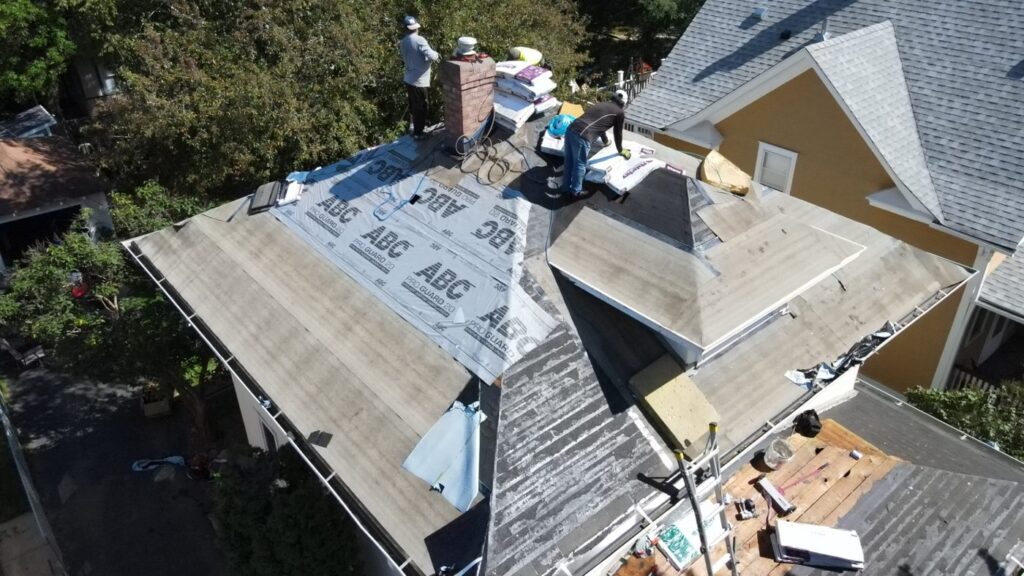
When Does Replacement
Make More Sense?
One leak does not automatically mean the whole roof needs replacing. Replacement deserves a closer look when deterioration is widespread, repairs keep returning in different areas, or the surrounding roofing can no longer support a lasting repair.
Wear Across the Roof
Look beyond one loose shingle. Widespread cracking, curling, or worn areas call for a review of the roof as a whole. Age helps explain its history, but it does not settle the decision by itself.
Repeated Problems
Bring records of earlier repairs and explain whether the same leak returned or new ones appeared. That history helps distinguish a missed detail from a roof with broader problems.
Damage Beneath the Covering
Some decking damage is hidden until roofing is removed. Its extent can change the work needed. Ask what is known at the inspection and what may only become clear during tear-off.
If a smaller project may be suitable, start with the options in our Minneapolis roofing services hub.
What Your Replacement
Estimate Should Cover
Two bids can use the same shingle brand and still describe different jobs. Review each part of the work, including what is excluded and how changes will be approved.
| Project detail | What to check |
|---|---|
| Removal and disposal | Which roof areas and layers will be removed, where debris will go, and what protection is planned around the building. |
| Decking | How the exposed wood will be reviewed and how damaged sections will be documented, priced, and approved before being covered. |
| Underlayment and roof-edge protection | The specified products and locations, including details at eaves, valleys, and openings appropriate to the roof system. |
| Roof covering | The product line, color, accessories, and roof areas included. Identify low-slope sections separately. |
| Flashing and openings | Work at walls, chimneys, vents, and pipe openings, including any existing components proposed for reuse. |
| Ventilation | Existing intake and exhaust conditions, proposed changes, and any attic concerns outside the roofing work. |
| Permits and closeout | Responsibility for applications, fees, inspections, cleanup, and warranty paperwork. |
Choose Materials
for the Roof You Have
Architectural Asphalt Shingles
Compare the actual product line, color samples, accessories, and written warranty. A brand name alone does not tell you which roof system is included. Ask how valleys, ridges, walls, and roof openings will be finished.
Low-Slope Sections
Porches, additions, and other low-slope areas may need a different covering from the main roof. Identify them during planning so their materials and transitions are included rather than treated as an afterthought.
Decisions to Make Before Ordering
- Look at a physical color sample: A small screen image may look different beside your siding, brick, or trim. Confirm the product and color in writing.
- Separate appearance from coverage: Ask what changes between the quoted product options, including accessories and warranty terms.
- Include roof details: List skylights, chimneys, vents, and porch connections so their treatment is clear.
- Discuss how long you plan to own the home: Compare the upfront cost, maintenance needs, and warranty transfer terms that matter to you.
If you are considering metal or another material, mention it when requesting the inspection. Suitability, installation details, availability, and price need to be reviewed for your property. No roof material is damage-proof.
What Determines the Cost
of a New Roof in Minneapolis?
A home's listed square footage is not the area of its roof. Slopes, overhangs, garages, and additions affect measurements. A useful estimate starts with the roof itself and a clear description of the work.
- Measured roof area: Confirm which buildings and slopes are included.
- Height, slope, and layout: Steep sections, dormers, valleys, and limited access affect labor and setup.
- Existing roofing: Layers being removed and disposal requirements change the job.
- Selected materials: Compare the covering, accessories, flashing, and ventilation work together.
- Concealed damage: Review decking allowances or unit prices and the approval process for extra work.
Ask whether the total includes permits, disposal, and all quoted roof areas. For planning with rates you enter yourself, use our roof budget calculator. It provides a planning estimate, not a Sellers Roofing quote.
Roof Replacement Work in Minneapolis
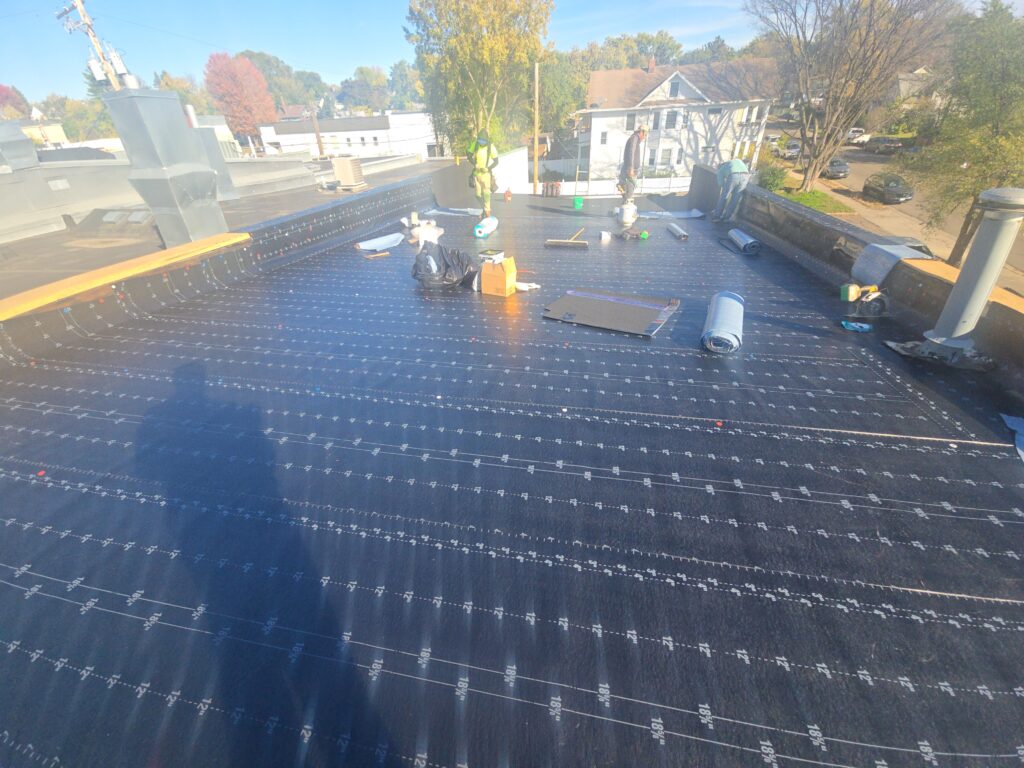
Different parts of a building can need different roof details. Describe any low-slope areas, rooftop equipment, or connections between the main building and an addition when requesting your estimate.
Weather and Winter Concerns
Discuss how the roof will be protected if weather interrupts work. Share past ice-dam or attic-moisture problems before material selection; replacing shingles alone may not resolve them.
Getting Ready for Installation
Ask your project contact what needs to be moved and which areas must stay clear. A few arrangements before delivery can make the work easier on everyone.
- Agree on where vehicles, deliveries, and the debris container will go. Minneapolis alley entrances, narrow side yards, and shared driveways need room for safe access; confirm neighboring boundaries and areas that must stay open.
- Move outdoor furniture and portable items away from the agreed work area. Point out delicate plants, irrigation equipment, or other features that need attention.
- Arrange a safe entrance and a plan for children and pets. If you work from home, consider whether roofing noise will disrupt calls.
- Ask about vibration and protecting fragile items indoors. Tell the crew about anything stored in an attic that could be affected by dust or debris.
- Confirm who you should contact during the job and how changes will be approved if you are away.
After installation, review the grounds, driveway, and access areas with the project contact. Ask how debris and nails were collected, and report anything that needs another cleanup pass.
Before You Sign: Five Questions Worth Asking
- Does the written price cover the roof I expect? Confirm the house, garage, porch, and any low-slope sections by name.
- How are extras approved? Look for a clear process for decking damage or other work discovered after tear-off.
- When are payments due? Review the deposit, progress payments, and completion terms in the agreement. Keep receipts and approved changes.
- Who is responsible for each part? Identify the project contact and responsibility for permits, deliveries, property protection, and cleanup.
- What happens if plans change? Discuss weather delays, material substitutions, and how you will be notified before a change is made.
If one bid is much lower, ask which materials or tasks differ. If one is higher, ask what additional work or coverage it includes. The useful comparison is the same job priced clearly.
From Inspection
to Final Paperwork
Assess and Measure
Tell us about leaks, previous work, and your plans for the property. We review accessible roof conditions and discuss the proposed replacement areas.
Review and Schedule
Compare the written estimate, choose materials, and clarify allowances, exclusions, and warranty terms. Discuss timing and access before work is scheduled.
Complete and Review
The agreed work and any approved changes guide the installation. Review completion, cleanup, and applicable product and warranty records with the project contact.
Understand Your New Roof Warranty
Material coverage and workmanship coverage are different. Ask for the manufacturer documents and the contractor's written terms for your project, including duration, exclusions, registration, and whom to contact. “Lifetime” does not mean every roof issue is covered forever, and enhanced coverage should only be quoted when eligibility is confirmed.
Minneapolis Roof Replacement FAQs
How much does a roof replacement in Minneapolis cost?
The price depends on measured roof area, slope, materials, removal, access, and repairs found beneath the covering. House floor area alone is not a roof measurement. Compare itemized estimates for the same work, including allowances and exclusions.
How long will my roof replacement take?
The schedule depends on roof size, slope, material deliveries, decking repairs, weather, and inspection coordination. Ask for the expected work period and what happens if weather interrupts it. A one-day timeline should not be assumed for every property.
Can I stay home while the roof is replaced?
Many homeowners choose to stay, but expect noise, vibration, and restricted access around the building. Discuss entrances, pets, children, working from home, and any medical or accessibility needs before scheduling. Keep clear of marked work areas.
What happens if you find damaged roof decking?
The damaged area needs review before it is covered. Your agreement should explain how additional decking work is documented, priced, and approved. Ask whether the estimate includes an allowance or a unit price and how the final quantity is recorded.
Does replacing the shingles fix ice dams?
New shingles alone do not resolve every cause of winter water entry. Attic air leaks, insulation, ventilation, roof geometry, and roof-edge protection may all need review. Ask which concerns the roofing work addresses and whether another trade is needed.
Can a porch or garage roof be included?
Yes, include those areas in your request and confirm them in the written estimate. A porch or addition may have a different slope or roof covering from the house. Detached garages may also need separate access and material staging.
Who handles permits and inspections?
Confirm responsibility for permit applications, fees, and inspection coordination in your agreement before work starts. Ask which inspections apply to your project and what records you will receive at closeout. Do not assume an estimate includes fees unless it says so.
Will homeowners insurance pay for replacement?
Your insurer decides coverage based on the policy and its review of the damage. We can document roof conditions and estimate the proposed roofing work. Age-related wear and storm damage are different concerns; an inspection is not a promise of claim approval.
What is the difference between material and workmanship warranties?
A manufacturer warranty covers qualifying product issues under its terms. A contractor workmanship warranty addresses covered installation work. Duration, exclusions, registration, and transfer rules can differ. Review the actual documents for the roof system and installation you are buying.
What should I receive when the job is finished?
Ask for the final invoice, approved changes, product information, applicable warranty documents, and any required inspection records. Review cleanup and remaining questions with the project contact. Keep the paperwork together for future maintenance, a sale, or a warranty inquiry.
Start With a Roof Inspection
Tell us the Minneapolis property location, what prompted the project, and whether the house, garage, or an addition needs attention. We will contact you to discuss the next step. A request does not reserve an appointment.